训练模型,
不训练背痛
训练 ML 模型意味着长时间盯笔记本和仪表盘。MoveToZero 帮你在数据工作流中加入运动——在训练 epoch 间隙起身,在模型训练时走动。
14 天免费试用,之后仅需 ¥3.00/月。随时取消。
工作日久坐画像
概述
Data scientists sit 8-12 hours daily, cycling between coding, model training, and data visualization. Model training runs provide natural break opportunities that most ignore.
久坐模式
Deep work sessions of 2-4 hours in Jupyter notebooks or IDEs. Model training runs provide natural but underutilized break windows.
高风险时刻
- Model debugging marathons lasting 6+ hours
- Deadline-driven analysis sprints
久坐风险矩阵
原因
Extended sitting during analysis and coding compresses the lumbar spine.
运动建议
Stand and walk between model training runs. Do backward bends every 45 minutes.
原因
Staring at multiple monitors and dashboards for 10+ hours strains eyes and neck.
运动建议
Follow the 20-20-20 rule. Look away from all screens during breaks.
原因
Heavy keyboard use for coding and data manipulation causes wrist strain.
运动建议
Do wrist stretches between coding blocks. Shake out hands during breaks.
推荐休息节奏
为什么这样安排
Align breaks with model training checkpoints and between analysis iterations.
MoveToZero 设置建议
Set MoveToZero to 45-minute intervals. Use training runs as natural break triggers.
工位运动推荐
Between-Training Walk
3-5 minWalk while your model trains. This is the perfect natural break — movement during compute time costs zero productivity.
Standing Dashboard Review
5 minReview training results and dashboards while standing. This reduces sitting time and gives a fresh perspective on your data.
Neck and Eye Reset
2 minLook away from screens. Do neck rolls and eye focus exercises. Essential after long data visualization sessions.
Wrist Flexor Stretch
1 minExtend arm forward, gently pull fingers back. Essential for data scientists who code and type all day.
相关工具
Desk Exercise Routine Generator
Generate personalized desk exercise routines based on how long you have been sitting. Get 3, 5, or 10-minute exercise plans you can do right at your desk.
使用工具 →Sedentary Time Calculator
Calculate how much time you have spent sitting in your lifetime. Input your daily sitting hours and years of desk work to see the shocking cumulative total.
使用工具 →核心功能
不仅仅是提醒,
更是您健康习惯的养成助手
简单三步,重塑您的办公健康习惯。
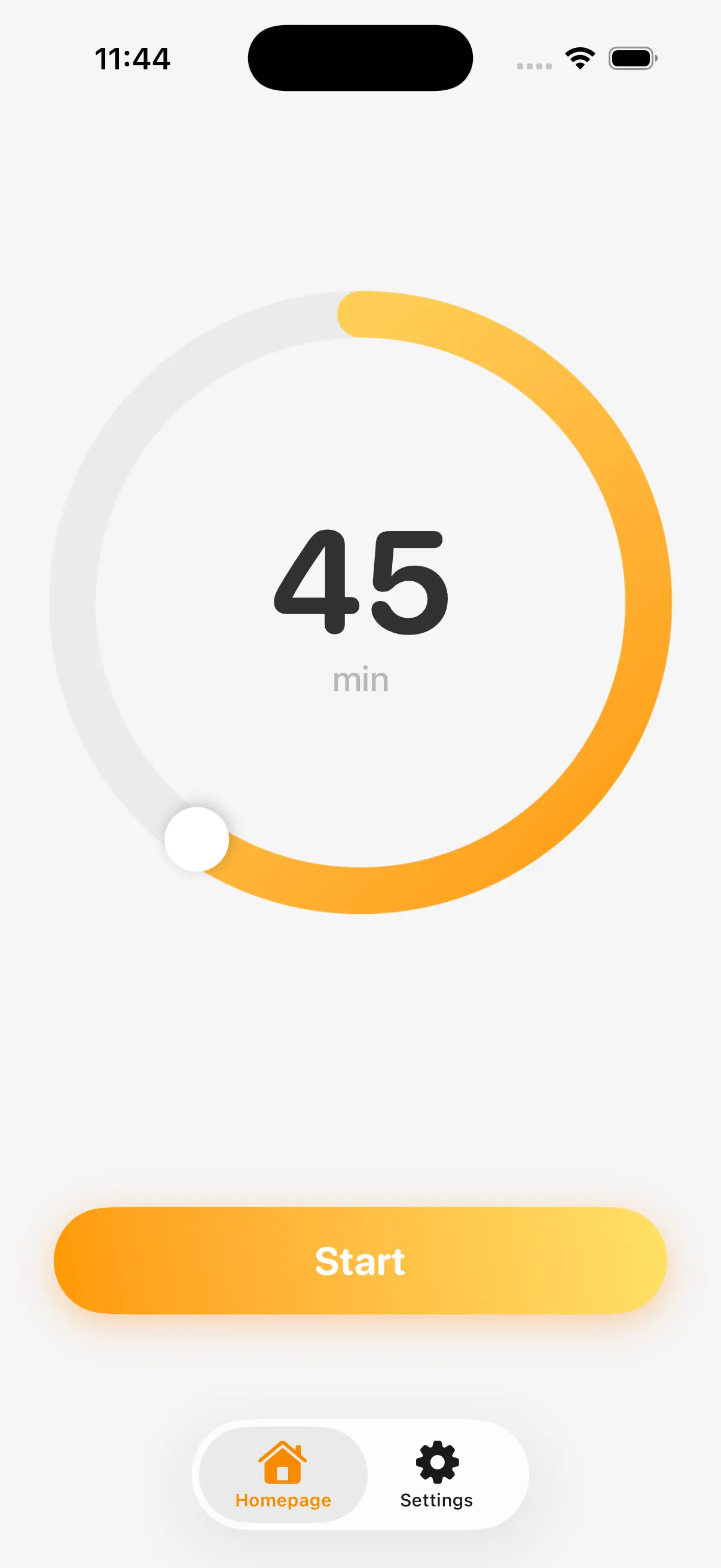
智能计时,专注无忧
深度工作不应被打断。MoveToZero 在后台安静运行,尊重您的工作心流。
告别刺耳闹钟。科学设计的温和提醒,在最佳时刻轻柔唤醒您,完美平衡高效工作与身体健康。
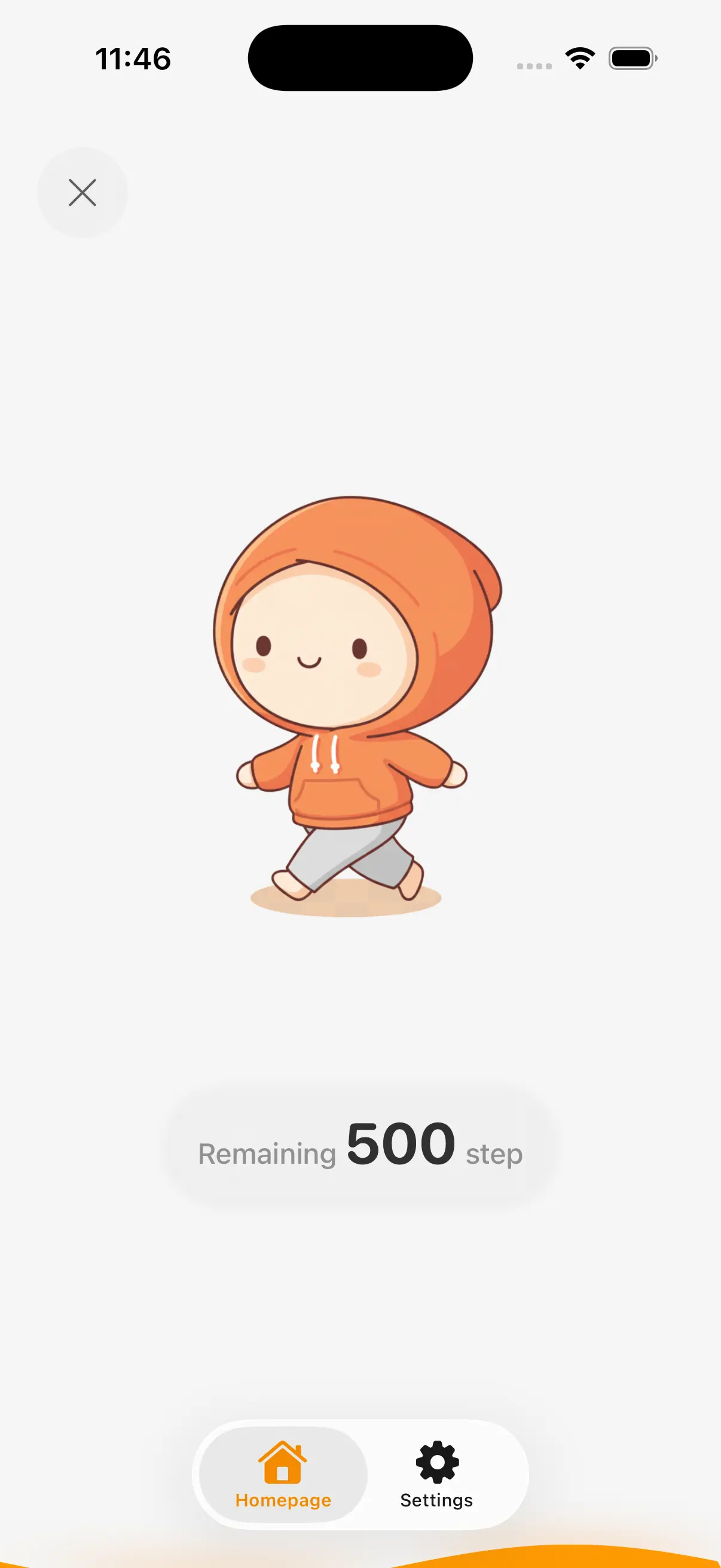
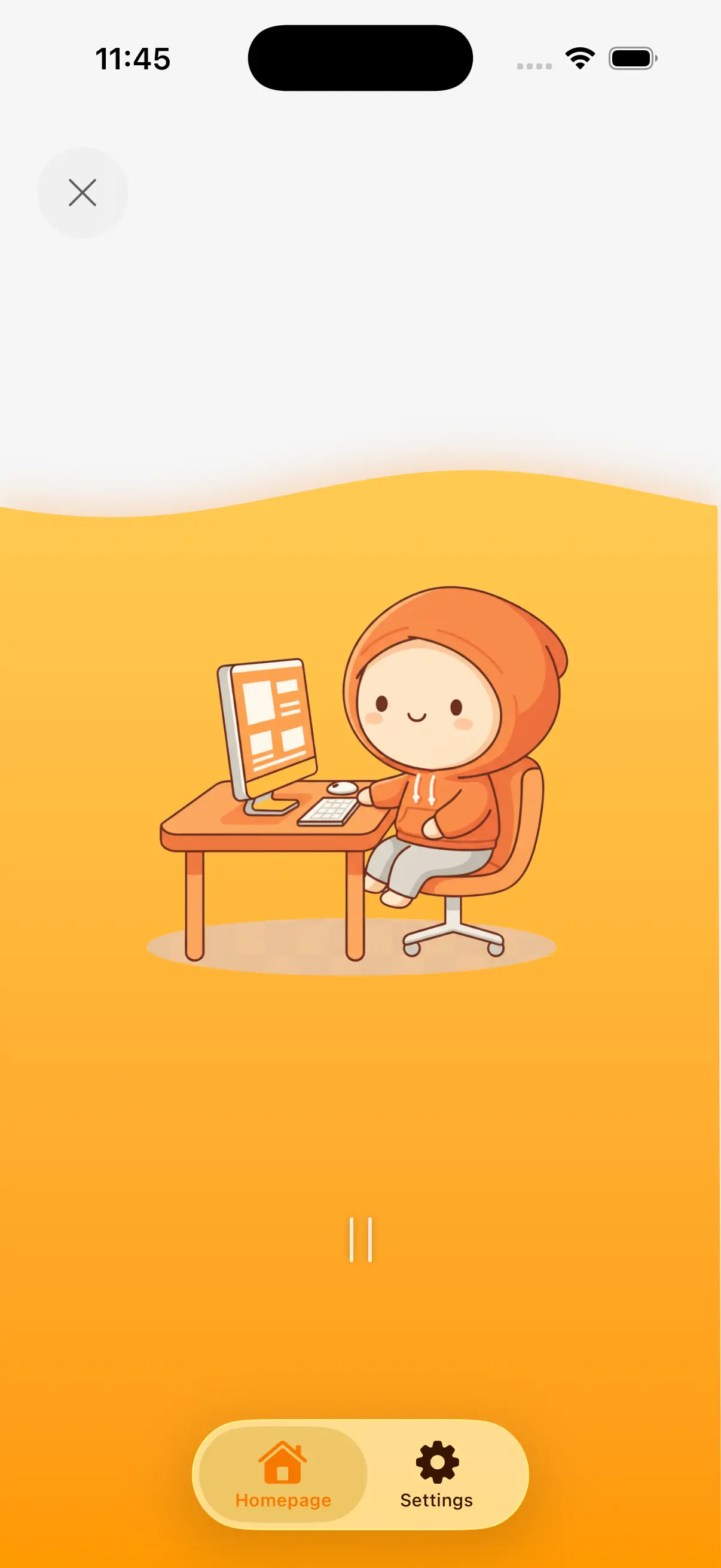
不止站立,动起来
站立只是开始,动起来才健康。MoveToZero 将每次休息转化为充满活力的步行挑战。
利用手机传感器精准计步,拒绝“假装运动”。将被动的站立时间变为积极的微锻炼,瞬间激活身心。

游戏激励,习惯养成
坚持很难?我们把它变成游戏。解锁成就徽章,保持每日连胜,让进步看得见。
正向反馈机制激发您的动力,将枯燥的健康目标转化为您每天期待的有趣日常。
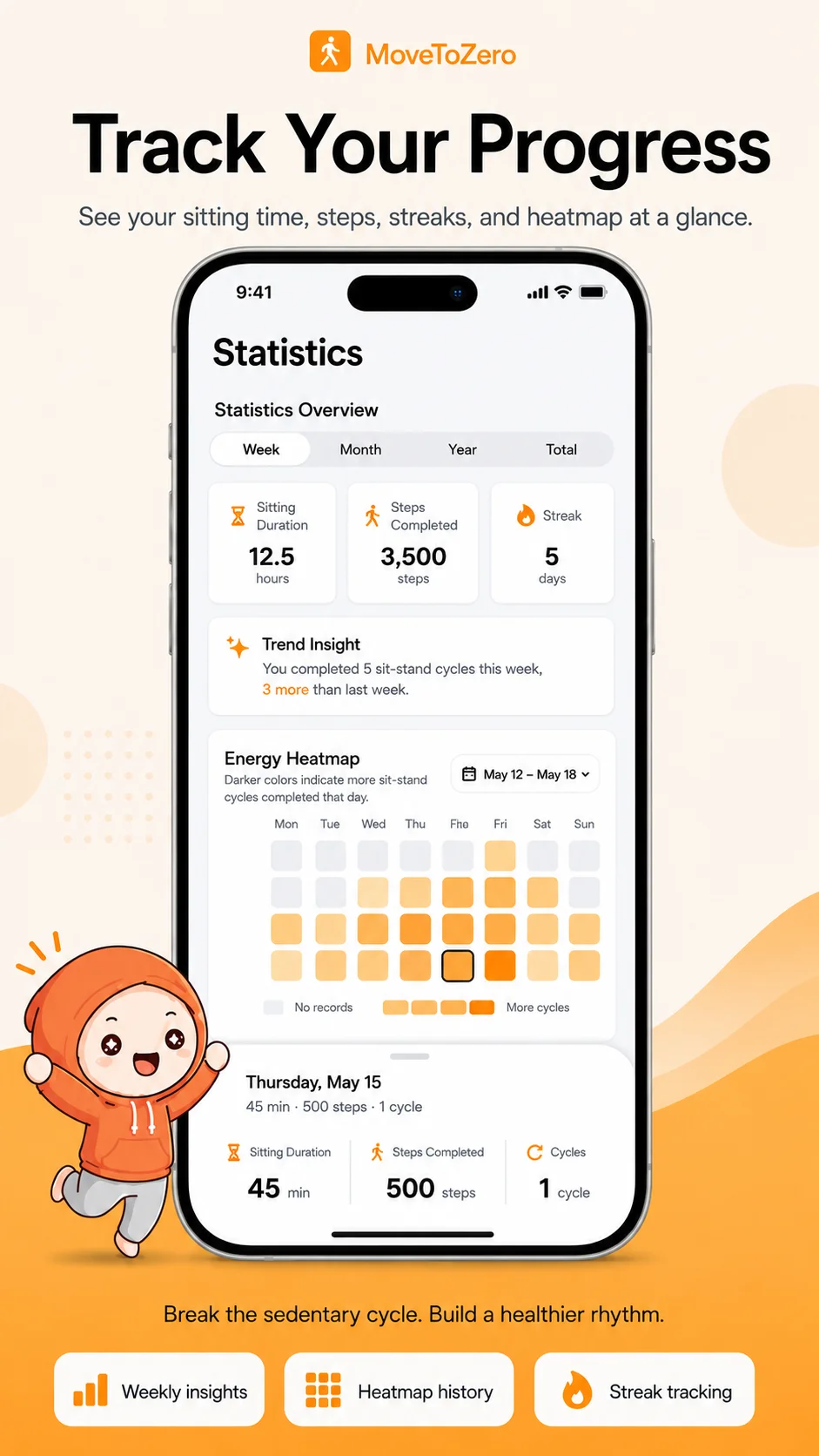
失败追踪,坦诚面对
偶尔懈怠很正常。MoveToZero 记录您的未完成时刻,这不仅是数据,更是自我觉察的开始。
发现习惯断点,调整节奏。这是一种无压力的问责方式,助您轻松重回正轨,建立更有韧性的健康生活。
科学背书
MoveToZero 基于经证实的医学研究构建,旨在对抗久坐生活方式的危害。
“梅奥诊所的研究表明,每30分钟打断一次久坐时间,可以显著降低血糖峰值并改善整体代谢健康。”— 梅奥诊所 (Mayo Clinic)
全面健康资源中心
专家支持的内容,帮助您对抗久坐生活方式
常见问题
获取关于 MoveToZero 的常见问题解答。
How do I take breaks during long model training runs?
Use MoveToZero to schedule breaks between training runs. When your model is training, walk for 2-3 minutes. When it finishes, take a 5-minute movement break before analyzing results. This aligns breaks with natural workflow checkpoints.
Are data scientists at higher risk from prolonged sitting?
Yes. Data scientists often combine extreme sedentary behavior (8-12 hours of coding and analysis) with high cognitive load. The deep focus required for data work makes it easy to ignore physical discomfort for hours.
Can movement breaks actually improve my data analysis?
Absolutely. Physical activity increases blood flow to the prefrontal cortex, improving pattern recognition and reducing analytical errors. Many data scientists solve stubborn problems during walking breaks.